
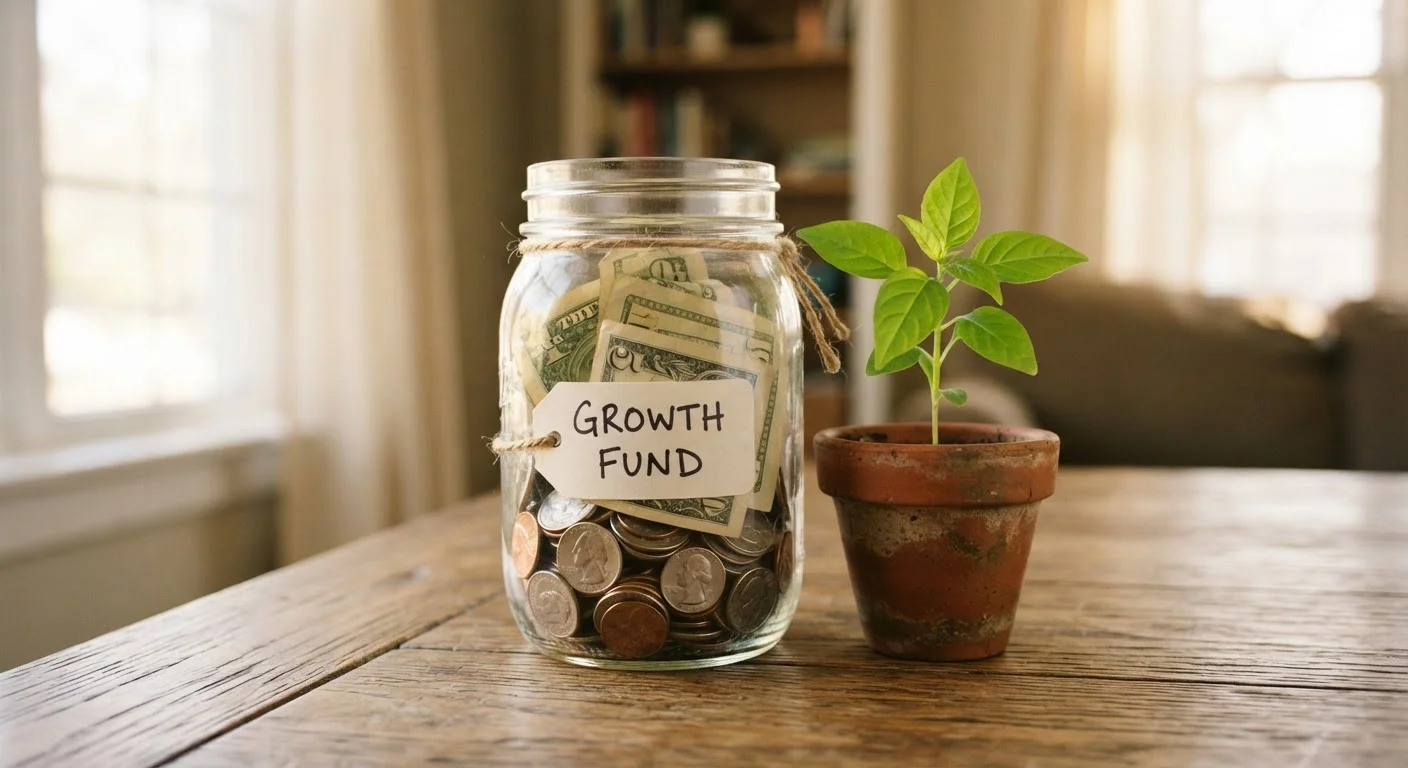
The Problem With Skipping Straight to Investing
It's tempting. You hear that the stock market has historically grown over time, and you wonder why you'd leave money sitting in a savings account earning modest interest. But jumping into investing before you have savings set aside creates a specific and serious risk: you may be forced to sell your investments at exactly the wrong moment.
Here's the scenario that plays out more often than people expect. You put $3,000 into the market. Three months later, your car breaks down and costs $1,800 to fix. You have no cash cushion, so you sell some investments to cover it - but the market is down 15% that week. You lock in a loss you didn't have to take.
An emergency fund isn't a consolation prize for people who can't invest yet. It's the structure that makes investing viable. Without it, a single unexpected bill can unravel months of financial progress. For a deeper look at building that structure, see our complete guide to smart saving.
Why High-Interest Debt Changes the Math
Before savings, and certainly before investing, there's another factor that often gets glossed over: high-interest debt. If you're carrying a credit card balance at 22% APR, you're essentially losing 22 cents on every dollar of that debt each year.
Stock market returns have historically averaged around 7-10% annually over long periods - but that's before accounting for volatility, fees, and taxes, and past performance doesn't guarantee future results. Paying down 22% debt is a guaranteed return of 22%. No investment strategy can reliably match that risk-adjusted value.
This doesn't mean every dollar should go to debt before you save a cent. Most financial educators suggest at least building a small starter fund - sometimes called a "baby emergency fund" - while aggressively paying down high-interest balances. The right first savings goal helps you make that call clearly.
Start Small - Progress Beats Perfection
You don't need to have three months of expenses saved before you take any action. Start with a goal of $500 or $1,000 as a first milestone. Reaching a small, concrete target builds momentum and confidence far faster than waiting until you can do it all at once.
What a Real Emergency Fund Actually Does
An emergency fund is typically described as three to six months of essential living expenses - rent or mortgage, utilities, food, insurance, minimum debt payments - held in a liquid, accessible account. The purpose isn't to earn the highest return. It's to absorb shocks without disrupting your financial plan.
Think of it as a financial buffer zone. With it in place, a job loss, medical bill, or urgent home repair becomes an inconvenience rather than a crisis. Without it, every financial setback puts your longer-term goals at risk.
56%
Americans unable to cover a $1,000 emergency
A Bankrate survey found that fewer than half of U.S. adults could pay for a $1,000 emergency expense from savings alone.
3-6 months
Recommended emergency fund size
Most personal finance frameworks, including guidance from the Consumer Financial Protection Bureau, recommend covering three to six months of essential expenses.
Once your emergency fund is solid and high-interest debt is under control, you're in a genuinely strong position to start building a portfolio. Explore what that looks like with our overview of starting your first investment portfolio.
Making Saving Automatic and Consistent
The biggest obstacle to saving isn't intention - it's execution. Most people plan to save whatever's left at the end of the month, and most months, very little is left. The solution is to flip that order entirely.
The "pay yourself first" approach means directing a set amount to savings as soon as income arrives - before discretionary spending has a chance to absorb it. Many employers allow you to split direct deposits across accounts, making this completely automatic. Even a modest fixed amount each paycheck compounds into meaningful progress over time.
For a full walkthrough of this method, see how pay-yourself-first works in practice. If you're weighing whether to cut spending or grow income first, this comparison of spending less vs. earning more offers a grounded look at both sides.
The sequence matters: save consistently, eliminate costly debt, build your cushion - then invest. Saving and investing aren't competing priorities. One enables the other.
This article is for general informational and educational purposes only. It does not constitute personalized financial, investment, tax, or legal advice. Please consult a qualified financial professional before making decisions about your specific situation.