
What Is a Credit Score?
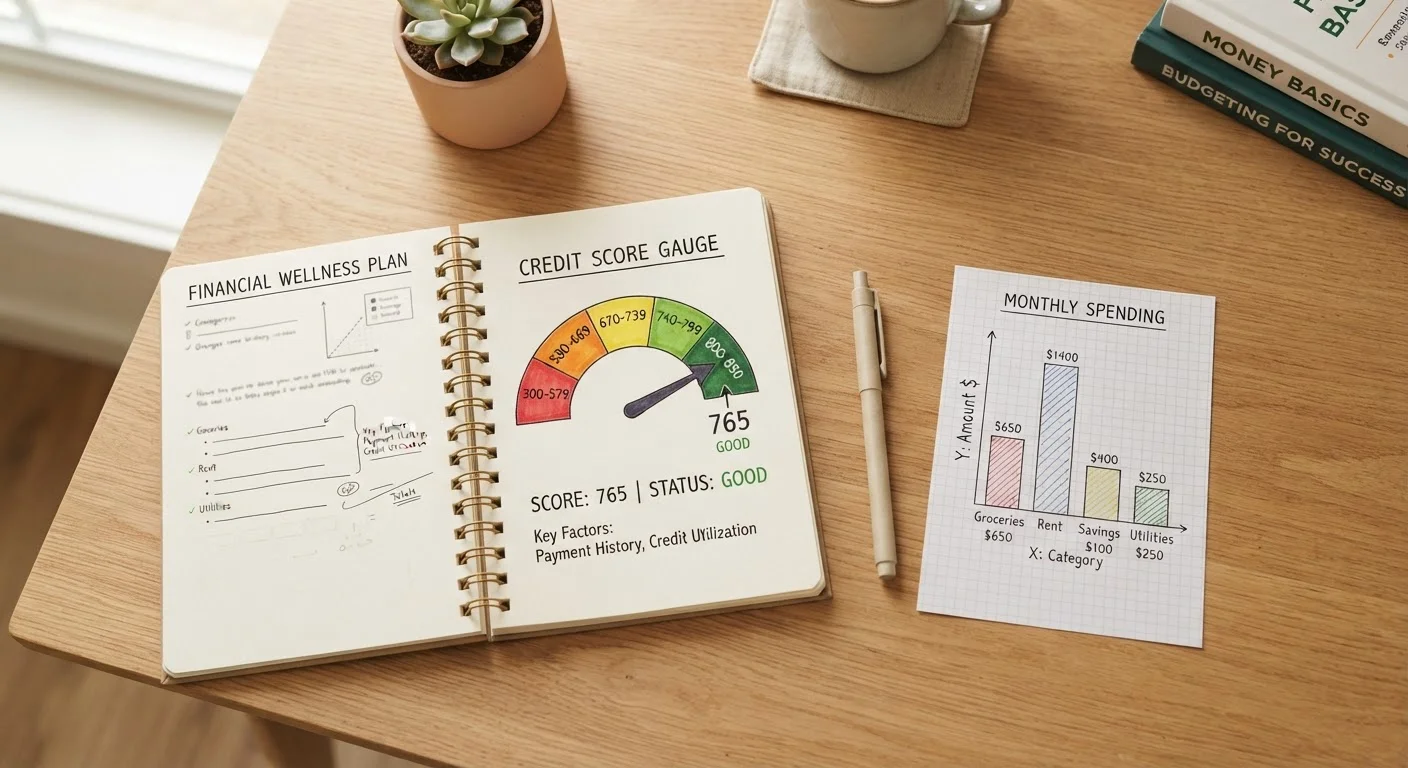
A credit score is a three-digit number - typically between 300 and 850 - that represents how reliably you've borrowed and repaid money in the past. Lenders, landlords, and sometimes even employers use it as a quick snapshot of your financial trustworthiness.
The most widely used scoring model is the FICO Score, developed by the Fair Isaac Corporation. Another common model is VantageScore, created collaboratively by the three major credit bureaus. Both use the same 300-850 scale, though their exact calculations differ slightly.
Your score is generated from data in your credit report - a detailed record of your borrowing history maintained by Equifax, Experian, and TransUnion. Think of the report as the raw data and the score as the summary grade. For a deeper dive into what that number really represents, see Credit Scores Explained: What the Number Actually Means.
Credit score
A three-digit number (300-850) that summarizes your history of borrowing and repaying money, used by lenders to gauge how risky it is to lend to you.
Credit report
A detailed record of your credit accounts, payment history, and public financial records, maintained by the three major credit bureaus: Equifax, Experian, and TransUnion.
Credit utilization
The percentage of your available credit limit you are currently using. For example, a $300 balance on a $1,000 limit card equals 30% utilization.
Hard inquiry
A credit check triggered when you apply for new credit. It can temporarily lower your score by a small amount and stays on your report for two years.
Soft inquiry
A credit check that does not affect your score, such as checking your own score or a lender doing a pre-approval review.
Credit invisible
A person with no credit history recorded by the bureaus, meaning no credit score can be generated - often the situation for young adults or recent immigrants.
How Credit Scores Are Calculated
FICO breaks its scoring formula into five weighted categories:
- Payment history (35%): Whether you pay on time is the biggest single factor. Even one missed payment can have a noticeable negative impact.
- Amounts owed / Credit utilization (30%): This measures how much of your available credit you're using. Keeping utilization below 30% is a widely cited guideline.
- Length of credit history (15%): Longer histories generally help. This includes the age of your oldest account and the average age of all accounts.
- Credit mix (10%): Having a variety of account types - credit cards, installment loans - can help, but it's not worth opening accounts you don't need.
- New credit (10%): Applying for several new accounts in a short period can signal financial stress and temporarily lower your score.
For a thorough breakdown of every element that goes into your score, visit Everything That Goes Into Your Credit Score.
Why Your Credit Score Matters
Your credit score influences far more than loan approvals. Here's where it shows up in everyday life:
- Loans and credit cards: Lenders use your score to decide whether to approve your application and what interest rate to offer. A higher score typically means lower borrowing costs.
- Renting a home: Most landlords run a credit check before signing a lease. A low score can make it harder to secure housing.
- Utilities and phone plans: Some providers check credit before setting up service or deciding whether to require a deposit.
- Insurance premiums: In many states, insurers use credit-based insurance scores as one factor when setting rates.
If you're also exploring how credit cards fit into this picture, the First-Timer's Complete Roadmap to Credit Cards offers helpful context on responsible card use.
This article is general financial education and is not personalized financial advice. Consult a qualified financial professional for guidance specific to your situation.
How to Check Your Credit Score
Checking your own score is completely free and does not hurt your score. Here are reliable ways to access it:
- AnnualCreditReport.com: This is the federally authorized site where you can request your full credit report from each bureau free of charge. Your report won't always show your score, but it reveals the data behind it.
- Your bank or credit union: Many financial institutions now display your FICO or VantageScore for free in their online portals or apps.
- Credit bureau websites: Equifax, Experian, and TransUnion each offer free score access through their own platforms, sometimes with additional monitoring features.
Once you have your report in hand, learning to read it carefully is just as important as knowing your number. The Reading Your Credit Report: A Checklist for First-Timers walks you through each section so you can spot errors and understand what lenders actually see.
Review All Three Bureau Reports
Each bureau maintains its own records, and they don't always match. Checking reports from Equifax, Experian, and TransUnion separately gives you the full picture and helps you catch bureau-specific errors. Staggering your free requests throughout the year keeps you up to date without waiting.
First Steps to Improve Your Score
Whether you have a thin credit file or a score you'd like to raise, the fundamentals are the same:
- Pay every bill on time. Set up autopay for at least the minimum amount due so you never miss a payment date.
- Keep balances low. Try to use no more than 30% of any credit card's limit - lower is better.
- Don't close old accounts unnecessarily. Older accounts contribute positively to your credit history length.
- Dispute errors promptly. Mistakes on your credit report - such as accounts that aren't yours - can drag your score down unfairly. You have the right to dispute them with the bureaus at no cost.
- Be patient. Credit improvement is gradual. Consistent behavior over many months makes a measurable difference.
If you're starting with no credit history at all, a structured approach makes the process less daunting. The guide Building Credit From Zero: A Practical Step-by-Step Approach is a strong next step.