
More Than a Number on a Report
Most people first hear about credit scores when they're turned down for a loan or credit card. That's a frustrating way to learn - and unfortunately, it means the full picture often stays hidden until damage is already done.
Your credit score is a three-digit number, typically ranging from 300 to 850, that summarizes how reliably you've managed borrowed money. If you're not familiar with where the number comes from, our guide to what credit scores actually mean explains the basics clearly.
What surprises many beginners is just how far that number reaches. It's not only banks and lenders looking at it - landlords, insurers, and even some employers use it too. The list below covers the real-world areas a low score can affect, so you can see the full stakes and start addressing them without fear.
Check Your Credit Report First
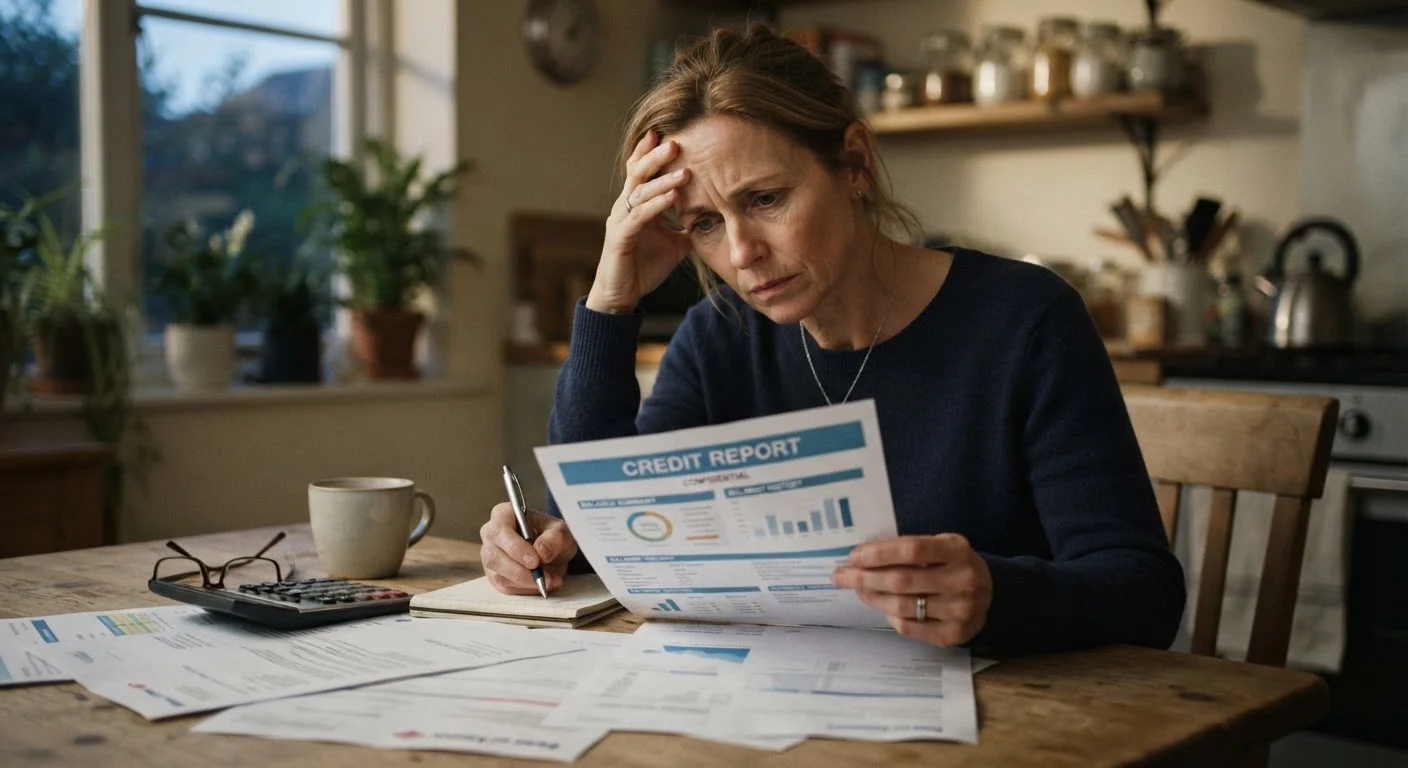
Before worrying about your score, pull your free credit reports from AnnualCreditReport.com - the federally authorized source. Errors on your report (wrong account information, incorrect late payment records) are more common than most people think, and disputing them is one of the fastest ways to see improvement. Reviewing your report costs nothing and gives you a clear baseline to work from.
Areas of Your Life a Low Credit Score Can Impact
Getting approved for loans and credit cards
This is the most widely known effect. When you apply for a personal loan, auto loan, or credit card, lenders pull your credit score to gauge risk. A score below a lender's minimum threshold often results in a flat rejection. Even when approval is granted, a low score almost always means a higher interest rate - sometimes dramatically higher. Over the life of an auto loan or mortgage, that difference can amount to thousands of dollars in extra interest paid.
A low score doesn't just risk rejection - it can cost thousands in higher interest over time.
Renting an apartment or home
Landlords and property management companies routinely run credit checks as part of rental applications. A low score can lead to outright denial, especially in competitive rental markets. Some landlords may still rent to you but require a larger security deposit or a co-signer to offset their perceived risk. If you're apartment hunting with a low score, it's worth being upfront with prospective landlords and showing other proof of financial stability, such as employment letters or bank statements.
In competitive rental markets, a low score can cost you the apartment before the conversation even starts.
Auto and renters insurance premiums
In most U.S. states, auto and renters insurance companies use a credit-based insurance score - a variation of your standard credit score - to help set your premiums. Insurers have found a statistical correlation between credit history and the likelihood of filing claims. This means that drivers with lower credit scores often pay noticeably more for the same coverage than drivers with strong credit. A handful of states restrict or prohibit this practice, but it is legal and common in the majority of states.
Insurers in most states can charge higher premiums based on your credit history - even for drivers with clean records.
Utility deposits and service approvals
When you set up electricity, gas, internet, or phone service, providers may check your credit. If your score is low, they can require an upfront security deposit before activating service - sometimes equal to one or two months of estimated bills. These deposits are typically refundable after a period of on-time payments, but they create an immediate cash burden at exactly the time you may already be stretched thin, such as when moving into a new home.
A low score can trigger upfront utility deposits, adding unexpected costs when you can least afford them.
Employment background checks in certain fields
Some employers - particularly in finance, government, security, and roles that involve handling money or sensitive information - include a credit check as part of their background screening process. Employers don't see your actual credit score, but they can review a modified version of your credit report. Significant negative marks, such as collections accounts or late payments, could raise concerns in these specific contexts. This practice is regulated and employers must get your written consent first, but it's a real factor worth knowing about if you work in or plan to enter certain industries.
In financial or security-related roles, a troubled credit history may become a factor in hiring decisions.
Access to favorable mortgage terms
Buying a home is where a low credit score can have the largest long-term financial impact. Mortgage lenders use your score not just to approve or deny an application, but to determine your interest rate. Even a half-percentage-point difference in a mortgage rate translates to tens of thousands of dollars across a 30-year loan. Borrowers with lower scores may also be required to make larger down payments or pay for additional mortgage insurance, raising the cost of homeownership further.
On a 30-year mortgage, a lower rate from a better score can save tens of thousands of dollars.
It's worth noting that credit scoring isn't a one-size-fits-all system. Different lenders and institutions set their own thresholds for what counts as "too low." A score that gets you rejected at one lender may be acceptable at another. That said, the patterns described above are widely consistent across the financial industry. For a closer look at everyday habits that quietly drag scores down, see common actions that hurt your credit score.
The Good News: This Is Fixable
A low credit score is not a permanent label. Credit reports reflect your recent behavior more heavily than old history, which means consistent on-time payments and responsible credit use can move the needle over time. It won't happen overnight - meaningful improvement typically takes several months of steady effort - but it does happen.
Understanding how debt affects your credit score can help you prioritize which changes to make first. Payment history and credit utilization (how much of your available credit you're using) are the two biggest factors, so those are usually the best places to start.
If you're ready to dig deeper into how scores are built and what you can do to strengthen yours, explore our full credit scores hub.
This article is for general informational purposes only and does not constitute personalized financial, legal, or credit advice. For guidance specific to your situation, consult a qualified financial professional.