
Why Credit Cards Have So Much Influence
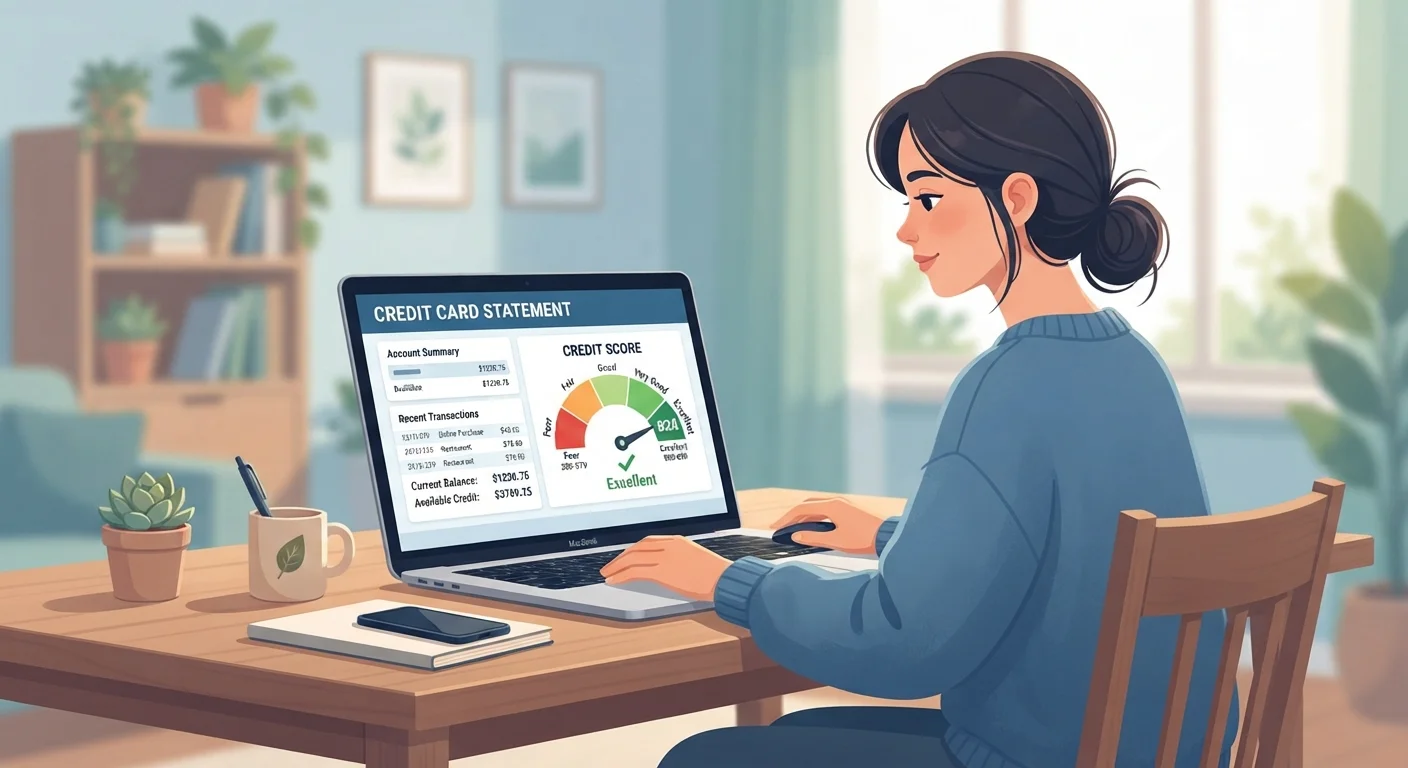
Credit cards are revolving accounts - meaning you borrow, repay, and borrow again - and they are reported to the credit bureaus every month. That frequency makes them one of the most powerful tools for building or damaging your credit score. Unlike a single car loan that generates one set of data points, a credit card produces a new snapshot of your behavior every billing cycle.
For beginners, this is actually good news. You do not need to take on big debt to build credit. Simply using a card for small, planned purchases and paying the balance on time creates a steady stream of positive information in your credit file. See our breakdown of the five credit score factors to understand exactly what that information feeds into.
Payment History: The Factor That Matters Most
Payment history accounts for roughly 35% of a standard FICO score, making it the single most important element. Every on-time payment you make is recorded as a positive mark. A payment that is 30 or more days late is reported as a delinquency and can cause a significant score drop - sometimes 50 to 100 points or more, depending on your starting score and overall profile.
The practical fix is simple: set up autopay for at least the minimum payment due. This acts as a safety net so a forgotten due date never becomes a reported late payment. If you can, pay the full balance each month to avoid interest charges as well.
Set Autopay as Your Safety Net
Even if you plan to pay your full balance manually each month, enabling autopay for the minimum payment protects you from accidental late payments. A single missed payment reported to the bureaus can take months of good behavior to offset. Treat autopay as insurance, not a substitute for paying in full.
For a closer look at behaviors that quietly damage scores over time, see surprising habits that hurt your credit score.
Credit Utilization: How Much of Your Limit You Use
The second major way credit cards shape your score is through credit utilization - the percentage of your available credit limit that you are currently using. If your card has a $2,000 limit and you carry an $800 balance, your utilization on that card is 40%. Across all your cards combined, this ratio is called your overall utilization rate.
Scoring models generally reward keeping this number below 30%, and lower is typically better. High utilization signals that you may be stretched financially, which increases perceived lending risk. The good news: because utilization is recalculated every month based on your reported balance, paying down a high balance can improve your score relatively quickly.
35%
Share of FICO score from payment history
According to FICO, payment history is the largest single factor in the standard FICO scoring model.
30%
Share of FICO score from amounts owed
FICO reports that credit utilization - how much of your available credit you use - makes up 30% of your score.
Below 30%
Recommended credit utilization rate
Credit counselors and the Consumer Financial Protection Bureau (CFPB) commonly cite keeping utilization below 30% as a useful guideline.
For a full explanation of how this ratio is calculated and what to aim for, visit our guide on credit utilization and your score.
Other Card Behaviors That Affect Your Score
Beyond payments and utilization, a few other credit card actions ripple through your score:
- Applying for new cards: Each application generates a hard inquiry, which can shave a few points off your score temporarily. Multiple applications in a short window compound this effect. Apply selectively and only when you genuinely need a new account.
- Account age: Credit scoring models reward a longer average account history. Opening several new accounts quickly lowers your average age of accounts. Keeping your oldest card open - even with minimal use - generally helps.
- Credit mix: Having both revolving accounts (credit cards) and installment loans (such as a student or auto loan) shows lenders you can manage different types of debt. A credit card alone can still produce a strong score, though.
For steady, low-effort strategies to maintain a healthy score over the long term, see our article on habits that support a healthy credit score.
This article is for general informational purposes only and does not constitute personalized financial advice. Consider speaking with a qualified financial professional about decisions specific to your situation.