
Why Understanding Debt Types Matters
Debt is not a single thing. A credit card balance behaves very differently from a car loan or a student loan - and treating them all the same way can cost you money and time. Before you can build a solid repayment plan, you need to understand the rules each type of debt plays by: how interest is calculated, what happens if you miss a payment, and what rights you have as a borrower.
This article breaks down the most common forms of personal debt in plain language. Whether you're carrying a balance for the first time or trying to get a clearer picture of what you owe, this overview will help you move forward with more confidence. For a broader look at how debt fits into your financial life, see our complete beginner's guide to managing debt.
Credit Card Debt (Revolving Credit)
Credit cards are a form of revolving credit - meaning you have a set credit limit and can borrow, repay, and borrow again repeatedly. You're only required to pay a minimum amount each month, but any remaining balance carries over and accrues interest, typically at a high annual percentage rate (APR).
What makes credit card debt particularly risky for beginners is compound interest. If you carry a $1,000 balance at 24% APR and only make minimum payments, you can end up paying significantly more than the original amount - and it can take years to clear. Our first-timer's guide to credit cards and debt covers exactly how this interest accrual works.
Carrying only a minimum payment on a credit card lets compound interest quietly multiply your balance.
Personal Loans (Installment Debt)
A personal loan gives you a lump sum of money upfront, which you repay in fixed monthly installments over a set term - commonly 2 to 7 years. The interest rate may be fixed (stays the same throughout) or variable (can change over time). Because the payment schedule is predictable, personal loans are often easier to budget for than credit cards.
Personal loans are unsecured in most cases, meaning no collateral is required - the lender relies on your credit history and income to approve you. However, unsecured loans typically carry higher interest rates than secured ones. If you default, the lender can pursue collection or legal action, but cannot automatically seize your property.
Fixed monthly installments make personal loans more predictable to manage than revolving credit card debt.
Mortgages (Secured Installment Debt)
A mortgage is a loan specifically used to purchase real estate, with the property itself serving as collateral. This means if you stop making payments, the lender has the legal right to foreclose - taking possession of the home to recover the loan balance.
Mortgages typically span 15 to 30 years and carry lower interest rates than unsecured debt because the lender's risk is reduced by the collateral. Interest can be fixed or adjustable. Homeowners also build equity - the portion of the home's value they actually own - as they pay down the principal over time.
A mortgage uses your home as collateral, which is why it often carries a lower rate than unsecured loans.
Auto Loans (Secured Installment Debt)
Auto loans work similarly to mortgages in structure: you borrow a fixed amount, repay it in monthly installments over a set term (often 36 to 72 months), and the vehicle serves as collateral. If you default, the lender can repossess the car.
One important concept with auto loans is depreciation. Cars lose value quickly - sometimes faster than you pay down the loan. This can result in being "underwater" or "upside-down" on the loan, meaning you owe more than the car is currently worth. Understanding this risk helps you make smarter decisions about loan terms and down payments.
With auto loans, rapid vehicle depreciation can leave you owing more than the car is worth.
Student Loans (Federal vs. Private)
Student loans fall into two broad categories: federal (issued by the U.S. government) and private (issued by banks, credit unions, or other lenders). Federal student loans come with standardized interest rates, income-driven repayment options, deferment and forbearance protections, and potential forgiveness programs - advantages that private loans generally do not offer.
Private student loans are more like personal loans in structure: terms vary by lender, rates can be fixed or variable, and there is far less flexibility if you face financial hardship. The Consumer Financial Protection Bureau (CFPB) recommends exhausting federal loan options before turning to private alternatives.
Federal student loans offer repayment protections that private loans typically cannot match.
Overdrafts and Payday-Style Borrowing
An overdraft occurs when you spend more than your bank account balance and your bank covers the difference - usually for a fee. While convenient in an emergency, repeated overdraft use can be expensive, and some accounts charge a daily fee for each day the account remains negative.
Short-term, high-cost borrowing products - sometimes called payday loans or cash advances - let you borrow a small amount until your next paycheck, but often come with extremely high effective interest rates. The CFPB has published research indicating that borrowers who rely on these products repeatedly can end up paying far more in fees than the original loan amount. These should generally be considered a last resort, and alternatives such as community assistance programs or credit union emergency loans are worth exploring first.
Short-term high-cost loans may feel like quick relief but can trap borrowers in a costly repayment cycle.
Putting It All Together
Each debt type comes with its own cost structure, risk profile, and repayment logic. The key is to know exactly what you're dealing with before you decide how to tackle it. Listing every debt you carry - its type, balance, interest rate, and minimum payment - gives you the foundation you need to act strategically.
Start With a Simple Debt Inventory
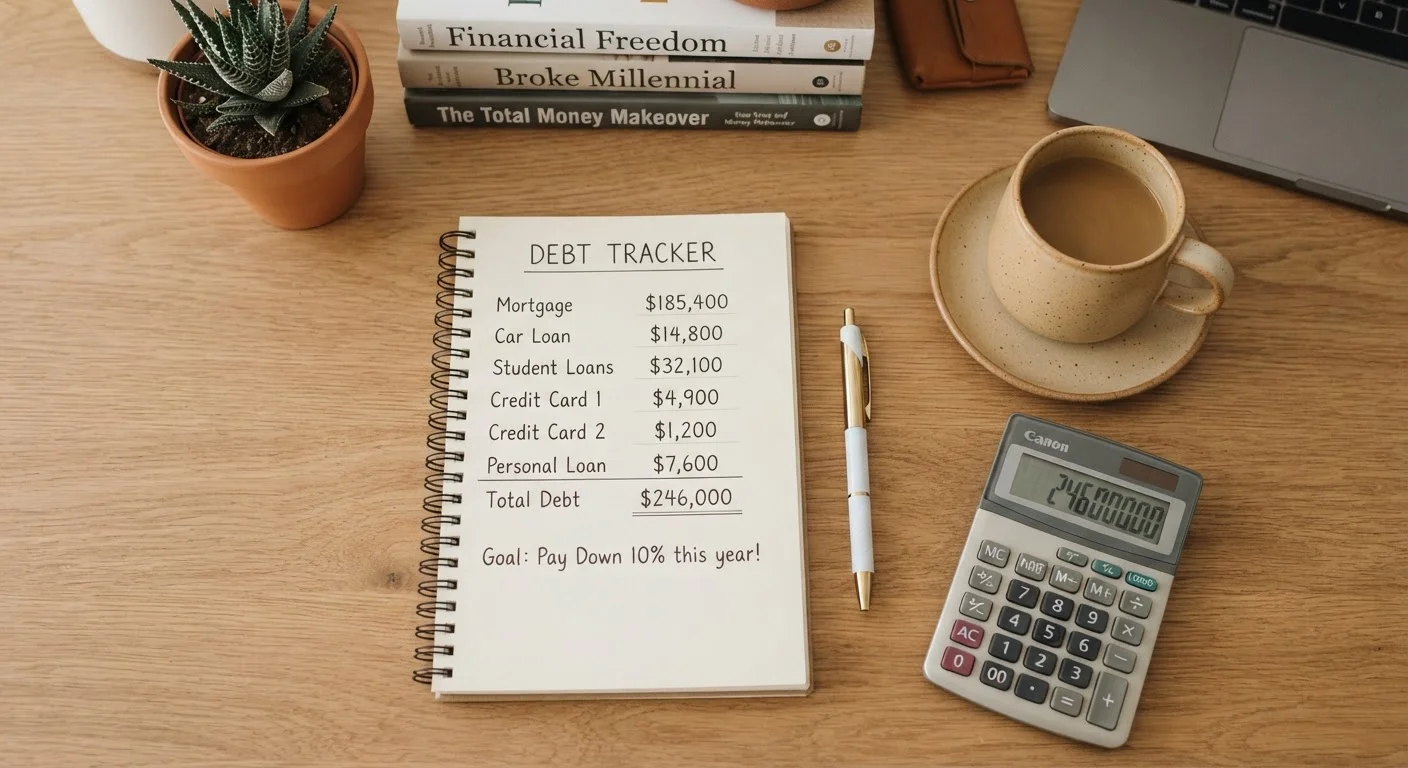
Write down every debt you carry: the type, current balance, interest rate, and minimum monthly payment. This single exercise gives you a clear picture of the total cost of your debt and makes it far easier to decide where to focus first. Even a basic spreadsheet or notebook works - the goal is clarity, not complexity.
Once you understand how your debts work individually, you can start ranking them by priority. The personal debt repayment plan guide walks you through that process step by step. And if you want to explore how financial experts categorize debt beyond mechanics, the good debt vs. bad debt breakdown is worth reading with a critical eye.
This article is for general informational purposes only and does not constitute personalized financial, legal, or tax advice. Consider speaking with a qualified financial professional about your specific situation.