
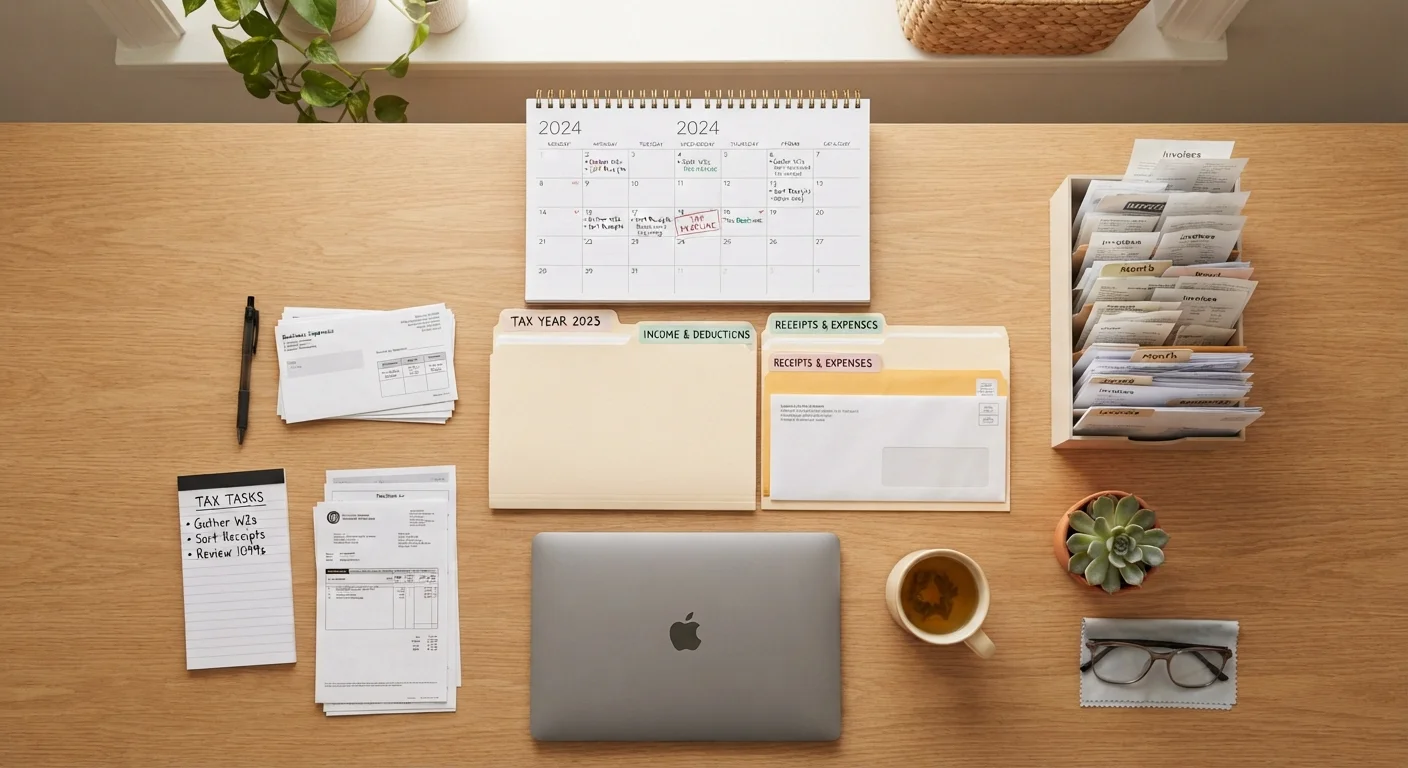
Why Tax Records Matter More Than You Think
Tax records aren't just paperwork - they're your evidence. If the IRS ever questions a return, your documentation is what resolves the dispute in your favor. Without it, you may owe taxes, penalties, or interest you could have avoided.
Beyond audits, accurate records help you file correctly in the first place. When you have last year's return, your W-2s, and your receipts organized and ready, you're less likely to miss deductions or make errors. See our full list of documents needed before starting your return for a practical head start.
Think of record-keeping as a low-effort habit with a high-value payoff. You don't need a filing cabinet the size of a closet - you need a reliable system you can actually maintain.
Digital Records Are Acceptable to the IRS
The IRS accepts digital copies of records as long as they are legible and reproducible. Scanning paper documents and storing them in a secure, organized folder is a practical way to reduce clutter without sacrificing protection. Make sure your digital storage is backed up - losing files doesn't pause an audit.
What Records to Keep
Not everything that crosses your desk belongs in a tax file. Focus on documents that relate directly to income, deductions, credits, or major financial transactions.
- Income records: W-2s from employers, 1099 forms (for freelance work, dividends, or Social Security), and records of any other income you received.
- Deduction support: Receipts for charitable donations, mortgage interest statements (Form 1098), medical expense records, and business expense logs. See our guide to keeping records that support your deductions and credits for category-by-category guidance.
- Investment records: Brokerage statements, records of when you bought and sold assets, and cost-basis documentation.
- Property records: Purchase agreements, closing documents, records of improvements, and sale proceeds - these affect capital gains calculations.
- Previous tax returns: Keep copies of filed returns and any IRS correspondence.
If you claim deductions or credits, solid documentation is essential. The Deductions & Credits hub covers the most common claims beginners overlook.
How Long to Keep Each Type of Record
The IRS operates under what's called a statute of limitations - a deadline by which it must initiate an audit or assessment. Understanding these windows tells you how long you actually need to hold onto documents.
Keep most supporting records for at least three years after filing
The IRS standard audit window is three years from the date you file (or the due date, whichever is later). Holding records for this minimum period covers the most common review scenarios and protects you from unexpected assessments.
Extend retention to six years if you significantly under-reported income
If the IRS believes you omitted more than 25% of your gross income, the audit window extends to six years. If you're unsure whether your return was complete, keeping records longer is the safer choice.
Never discard records if you filed a fraudulent return or didn't file at all
There is no statute of limitations when fraud is involved or when no return was filed. These situations leave your tax history permanently open to IRS review, so related documentation should be kept indefinitely.
Hold property records for as long as you own the asset, plus at least three years after sale
Capital gains on property are calculated using your original purchase price and the cost of improvements. Without these records, you can't accurately report a gain - or prove a smaller one - when you sell.
Keep copies of filed tax returns indefinitely
Past returns serve as reference points for future filings, support loan or financial aid applications, and provide context if the IRS raises questions years later. They're compact records with lasting value.
Building a System You'll Actually Use
The best record-keeping system is one simple enough to maintain year-round. You don't need to wait until April to get organized.
Whether you go digital or keep physical folders, consistency matters most. Label everything by tax year. When you file, move that year's records into storage and start a fresh folder for the new year. Our companion article on organizing a year's worth of financial records walks through this habit in more detail.
Before your next filing deadline, use the pre-deadline preparation checklist to make sure your records are complete and nothing is missing.
This article is for general informational purposes only and does not constitute tax, legal, or financial advice. Tax rules can change and individual situations vary. Consult a qualified tax professional for guidance specific to your circumstances.